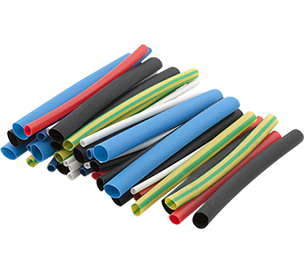
One kind of plastic pipe that is used to shield and heat shrink cable sleeve, wiring, and other components is called heat shrink tubing. It is constructed from a number of components, including silicone, PVC, and polyolefin. Using a heat gun or another heat source, the pipe is heated until it shrinks and takes on the shape of the thing it is covering. This produces a tight, snug fit that enhances the object's insulating qualities and helps shield it from harm.
By Lowering Workplace Mishaps, Worker Security
Bar caps shield exposed reinforcing bars from harm, reducing the risk of accidents for building employees who may come into touch with them. Workers run the danger of impalement or severe injury from unintentional contact with projecting rebars if rebar covers are not used.
Construction sites are made safer by using caps to cover the uncovered ends of rebar. As a result, there is a decreased chance of worker injuries and workers' compensation claims due to a decrease in workplace accidents and occurrences. It is possible to make metals and alloys that are used in wire and cable applications resistant to corrosion, but corrosion prevention only comes from insulating the material.
Features of Insulation That Lessen Cable Stress
Heat shrink tubing helps to avoid excessive strain or stretch of wires and cables constrained to not enough room or length, even while it protects cabling and cabling from exposure to external conditions. The primary purpose of electrical wire and cable insulation is to guard against electrical shock.
On the other hand, energy loss and dissipation via the wiring is also stopped by the insulating properties of wires and cables. Cable insulators are made of non-conductive material and are intended to function as a barrier between themselves and anything that could come into touch with the cabling. Additionally, stronger resistance and improved information or energy transfer are offered by thicker insulation.
Any metal will eventually corrode because oxygen and metal combine to generate a new substance called oxide that degrades the metal's connections over time. Wires and cables are fully sealed and shielded from any external disturbance-induced corrosion via heat shrink tubing.

No comments:
Post a Comment